


1 AIA LU | HSW
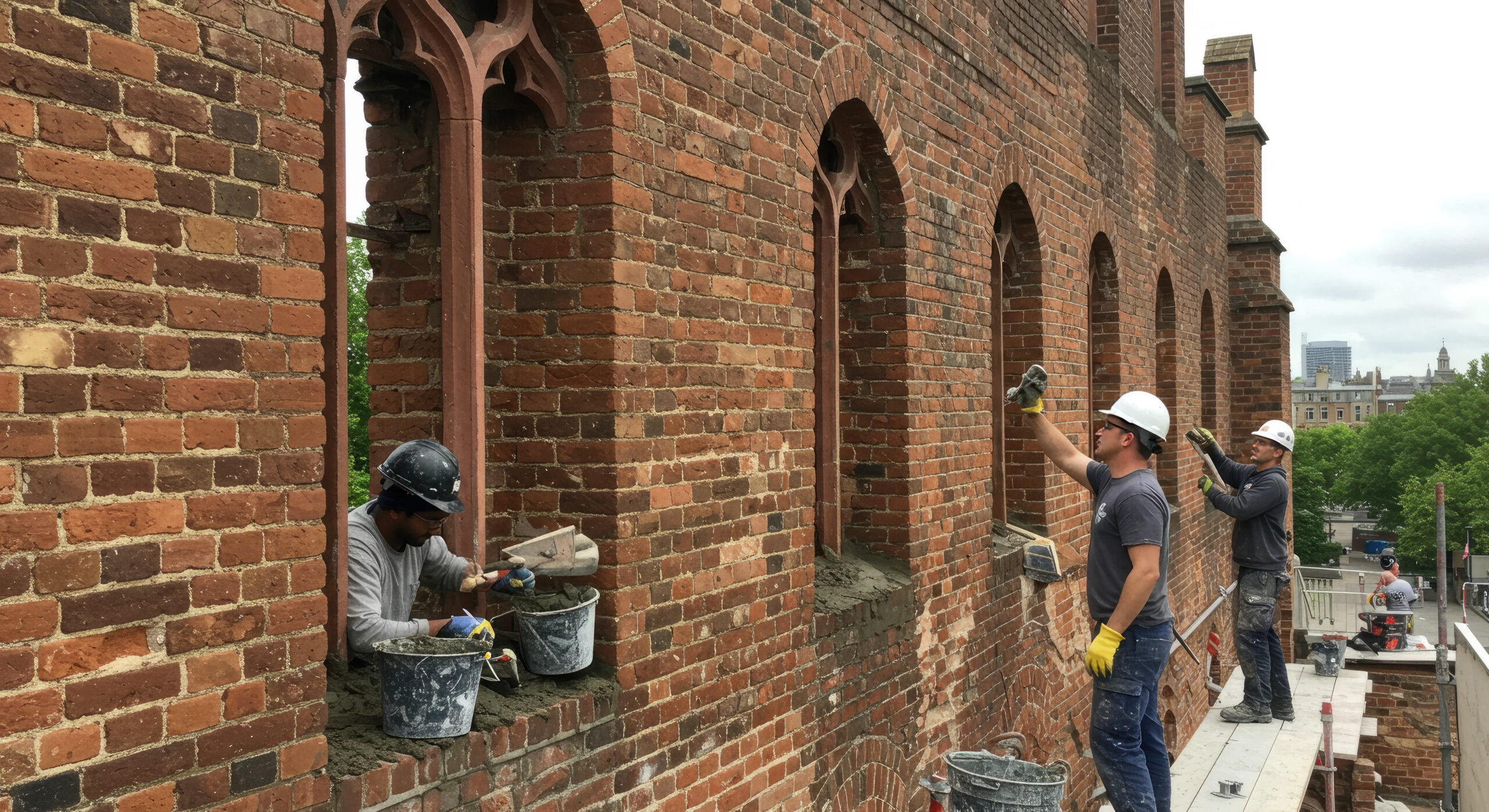
Historic masonry buildings can last for centuries if maintained appropriately. One of the most common maintenance items required is repointing open or defective mortar joints. Selecting an appropriate mortar for the type of unit masonry and wall construction for a project is critical. If a mortar used for repointing is too hard and too dense, rapid deterioration of the masonry unit can ensue, especially in the case of softer historic brick. Review what to consider when specifying a mortar for repointing.
Learn about mortar history, sampling, testing, and data analysis. We’ll also discuss the material properties of non-hydraulic and hydraulic binders, aggregates, and historically appropriate additives. Compare modern mortar mixes to historically accurate mortar materials and mixes to help determine when these mortar types are appropriate to use for historic masonry buildings.
Learning Objectives
- Understand historic mortar material properties and composition, emphasizing binder type, history of use, and manufacture to ensure safe and proper replacement.
- Determine how to assess if mortar analysis is necessary for a specific project, what options are available, and how to interpret the data produced.
- Review how to properly select and specify appropriate pointing and replication mortars for historic masonry projects and recognize potential deterioration caused by incorrect mortar selection to help maintain building stability.
- Discuss lessons learned from project case studies on mortar analysis and selection to assist in safeguarding the biosphere.