


1 AIA LU | HSW
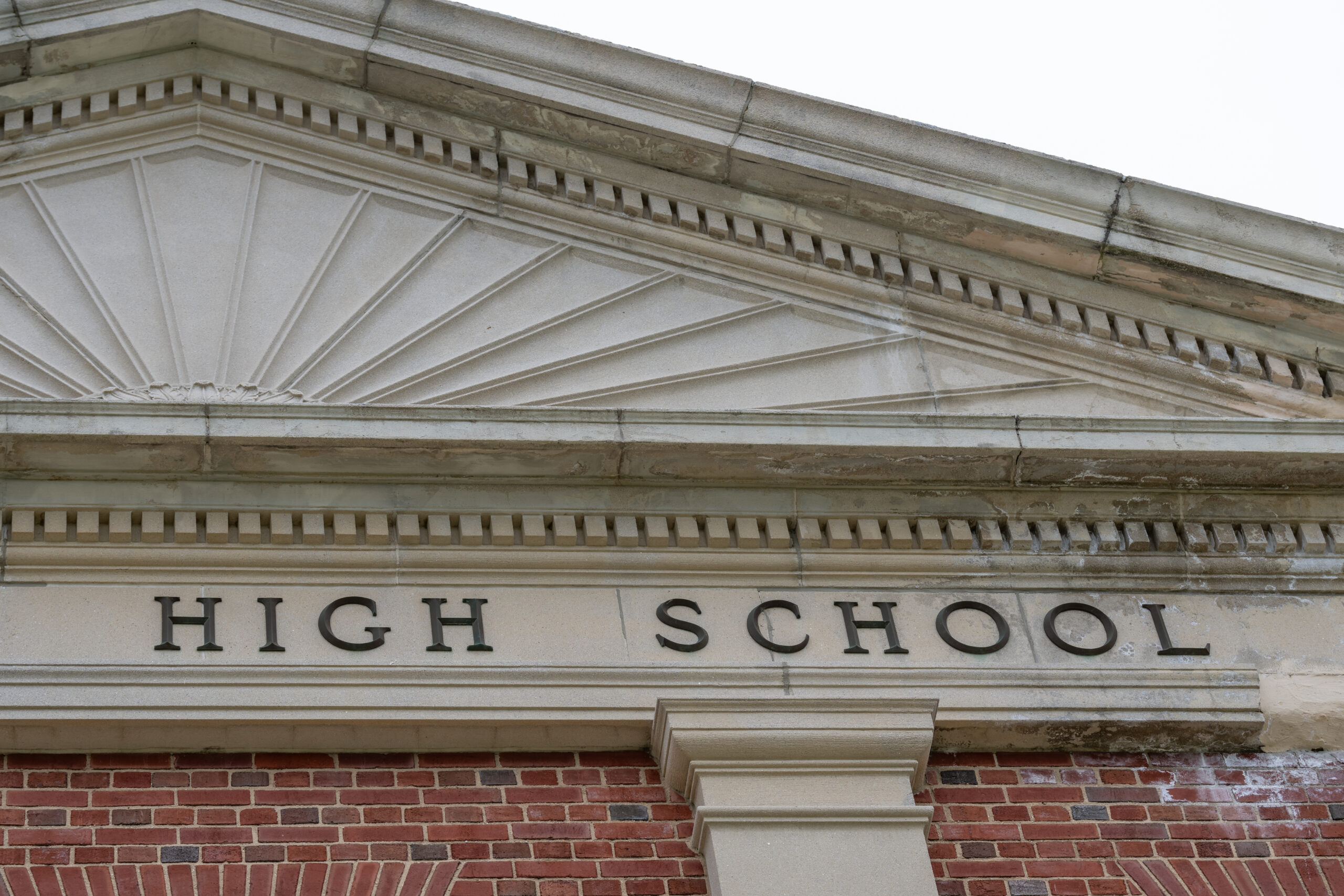
Designing masonry schools involves balancing safety, functionality, sustainability, and aesthetic appeal. Masonry materials are known for their durability and low maintenance, making schools resistant to weather and wear. When efficiently reinforced, masonry ensures safety through its natural fire resistance and ability to withstand seismic and wind forces. Its high thermal mass also helps regulate temperatures, reducing energy use when paired with appropriate insulation. Masonry’s acoustic properties help maintain quiet learning environments, and its adaptability allows for future expansion. Explore how to optimize masonry for educational environments, focusing on both daily functionality and critical safety features like storm shelters for tornado-prone regions.
Show more
Learning Objectives
• Discuss the structural integrity and safety of masonry schools, focusing on durability, fire, and high wind resistance.
• Explore energy efficiency and sustainability in masonry designs to reduce environmental impact and contribute to sustainable, cost-effective school designs.
• Design flexible and multi-purpose adaptable masonry spaces to promote functionality and balance between usability and safety.
• Integrate FEMAand ICC-compliant storm shelter design, wind speed resistance, debris impact standards, and occupant safety.